
AI powered personalization in e-commerce uses machine learning and real-time behavioral data to tailor product recommendations, content, search results, and pricing to each individual shopper. In 2026, it has moved from a marketing nice-to-have to a core revenue driver — McKinsey research shows companies that excel at personalization generate 40% more revenue from those activities than average performers.
This isn’t a future-state prediction anymore. It’s the operating standard for any brand competing at enterprise scale. The shift is from static segments and rule-based recommendations to AI systems that adapt to a single shopper’s intent in real time, across every channel they touch.
This guide covers what AI powered personalization in e-commerce looks like in practice, the technology stack behind it, real-world implementation patterns, and what enterprise teams should weigh before investing in it.
What is AI Powered Personalization in E-commerce
In today’s ecommerce landscape personalization is key to success. Personalizing experiences based on customer engagement and preferences creates loyalty and customer satisfaction. As technology gets better, personalization has moved from basic product recommendations to advanced AI driven insights to give customers personalized shopping experiences that are engaging, relevant and in real time.
AI personalization is the use of machine learning and artificial intelligence to analyze huge amounts of data to be able to understand and predict customer behavior.

Measuring the Impact of AI on E-commerce Personalization
Measuring the success of AI personalization is important. Metrics like customer satisfaction, engagement and revenue growth are direct measures of success. Businesses can also measure the effectiveness of AI personalization by looking at increases in loyalty and retention rates. By meeting customer expectations AI personalization builds brand loyalty and encourages repeat business, which drives growth.
Benefits of AI-Powered Personalization
The impact of AI-powered personalization on e-commerce extends beyond sales. Here are several key benefits:
- Increased Revenue: Personalized product recommendations, dynamic pricing and targeted marketing leads to higher conversion rates and bigger average order values.
- Better Customer Satisfaction: By offering personalized experiences brands meet customer expectations better which in turn reduces churn and builds long term loyalty.
- Faster Search and Discovery: AI makes product search easier for customers to find what they need.
- Competitive Advantage: Companies using AI personalization are ahead of the competition as they can deliver experiences that speak to individual preferences.
The Current Landscape of Personalized Shopping Experiences
Today AI personalization has changed how ecommerce platforms interact with customers and the bar for delivering relevant and engaging experiences. Through recommendation engines, dynamic pricing and personalized marketing brands are analyzing purchase history, browsing behavior and individual preferences to make personalized suggestions.
Personalized product recommendations is one of the applications of AI, it enhances engagement by aligning suggestions to each customer’s preferences. For example many ecommerce platforms are offering curated product recommendations to help customers discover products that match their taste. These personalization techniques not only improves customer satisfaction but also contributes to higher engagement and loyalty, showing how AI driven insights can build deeper connections between brands and customers.
How AI Personalization Works
AI personalization sits at the intersection of technology and customer centricity. At its core AI personalization combines machine learning algorithms and natural language processing (NLP) to analyze data from websites, apps and social media. The magic of AI personalization is that it can generate personalized suggestions for products, content or offers based on those insights. But it doesn’t stop there. Real time adaptation is a hallmark of AI personalization, businesses can dynamically adjust to changing user behavior and preferences. This continuous learning ensures the personalized experiences stay relevant and engaging and drives higher customer engagement and loyalty.
This allows brands to see into customer behavior, from shopping patterns to purchase history. AI personalization uses this data to deliver real time recommendations, dynamic pricing and refine marketing messages all of which makes for a more engaging shopping experience.
This is especially important in ecommerce where real time adaptation to customer behavior can make or break a sale. For example if a customer is visiting a specific category frequently AI can promote similar products, keeping the experience relevant and personalized. This technology not only drives customer engagement but also keeps businesses ahead in a crowded market.
Predictions for AI-Powered Personalization in 2025 and Beyond
As AI advances here are some emerging trends that will shape the future of ecommerce personalization:
1. Hyper Personalization at Scale
The future of personalization is hyper personalized experiences driven by more complex data, demographic, behavioral and emotional cues. AI will allow brands to analyze granular data to understand individual preferences and deliver content, offers and product recommendations that speaks to customers on a personal level.
2. Real Time Personalization
As AI technology improves real time personalization will get more advanced and adapt to customer needs in real time. Real time personalization can enhance the customer journey by making product suggestions, adjusting promotions and refining content dynamically, making for an interactive and engaging shopping experience.
3. Predictive Personalization
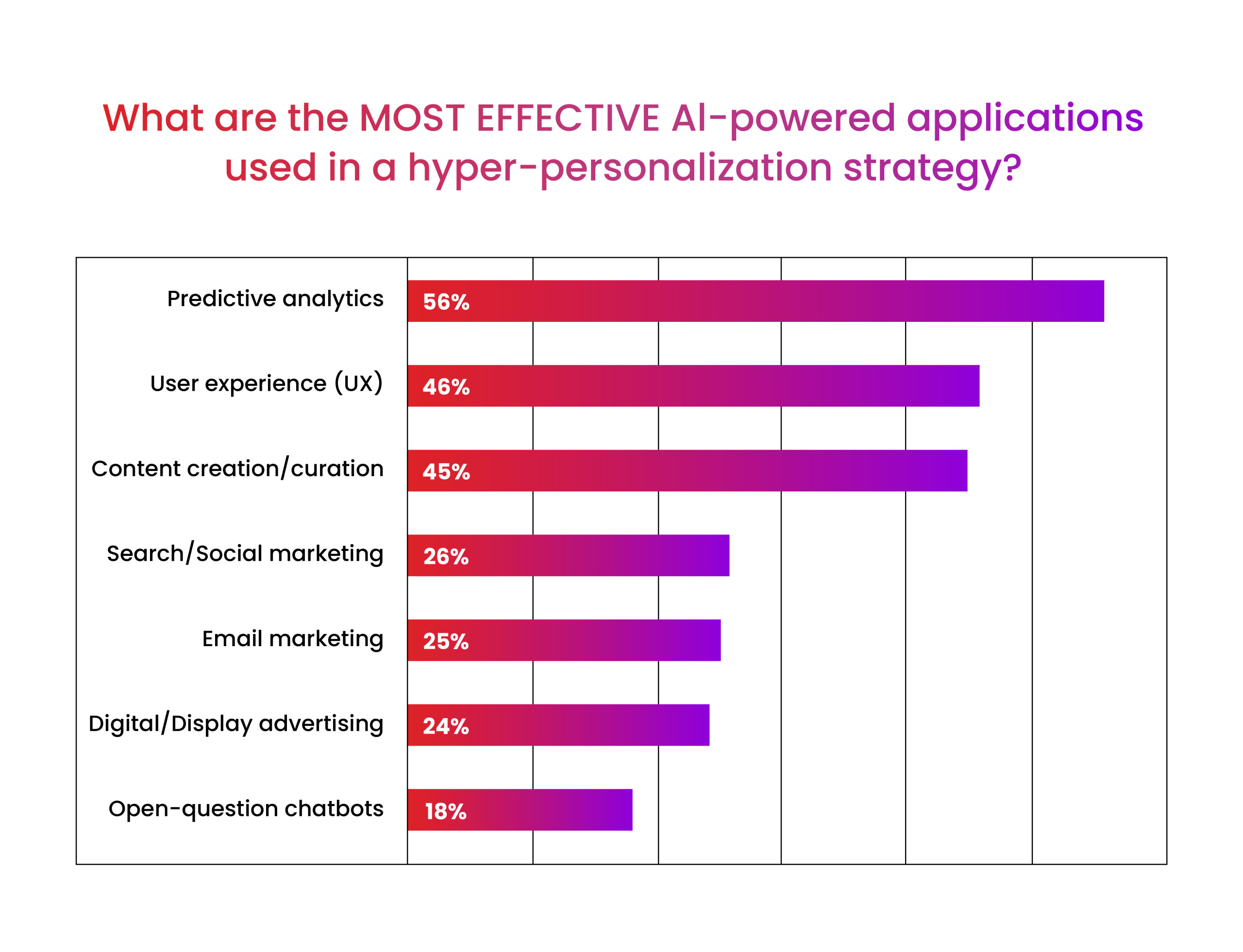
Predictive analytics powered by machine learning will allow businesses to predict customer needs before they arise. By analyzing historical data AI will predict what the customer will buy next and allow brands to serve relevant recommendations and even automate personalized marketing. This predictive approach will be especially useful in industries with fast purchase cycles like fashion and electronics.
4. AI Driven Visual Search and Personalization
Visual search is gaining momentum especially in industries like fashion and home decor. In the future AI will personalize visual search results, deliver recommendations based on image data and user preferences. For example a customer uploads a picture of a specific style of clothing they will get suggestions for similar products, adding a layer of personalization to the experience.
5. Advanced Dynamic Pricing
AI driven pricing models will consider multiple variables to create real time offers personalized for each customer. Beyond simple discounting advanced dynamic pricing will consider demand, individual spending behavior and seasonality so businesses can maximize profit while offering value to the customer.
Emerging Technologies Impacting Personalization
The following technologies will play an essential role in advancing AI-powered personalization:
- Hyper Personalization with AI: The future of AI personalization is hyper personalization where every touchpoint of the customer journey matches individual preferences and needs. AI will use past behavior data, real time context, social media insights and even emotional cues to create truly personalized and empathetic shopping experiences.
- AI Personalization and Cross Selling: AI personalization goes beyond just recommending products based on individual preferences it also opens up new opportunities for cross selling and up selling. By analyzing customer data and understanding their buying behavior AI algorithms can identify complementary products or relevant add-ons that match a customer’s interests. For example if a customer buys a camera AI can suggest compatible lenses, tripods and other photography accessories, increase average order value and enhance the overall shopping experience.
- AI and Virtual Fitting Rooms: AI powered virtual fitting rooms are taking off in the fashion and apparel industry. These cool tools allow customers to see how a garment will look on them without trying it on. By using AI and AR technology customers can see themselves in different outfits and make more informed purchasing decisions and reduce returns. Virtual fitting rooms provide a personalized experience and reduce the environmental impact of multiple returns.
- AI Powered Voice Assistants: With the rise of voice activated devices and smart speakers AI powered voice assistants are becoming part of the eCommerce customer experience. Voice assistants like Amazon’s Alexa or Google Assistant can help customers with product search, provide personalized recommendations and even facilitate the checkout process with voice commands. As voice recognition technology improves, customers will have more natural and personalized interactions with these virtual assistants and online shopping will become even more convenient.
- AI Driven Customer Segmentation: Customer segmentation is a powerful marketing strategy that allows businesses to group their customer base into different segments based on behavior, preferences and demographics. AI can take customer segmentation to the next level by identifying subtle patterns and creating more granular and accurate segments. By understanding the unique needs of each segment businesses can tailor their marketing messages and offers and drive higher engagement and conversion.
- AI Powered Sentiment Analysis: Understanding customer sentiment is key to great customer service and tailoring experiences accordingly. AI powered sentiment analysis can analyze customer reviews, social media posts and other online interactions to measure customer satisfaction, identify pain points and understand customer preferences. Businesses can proactively address issues, improve products and services and build stronger customer relationships.
- AI for Fraud Detection and Prevention: eCommerce businesses need to provide personalized experiences and protect their customers’ transactions. AI can help with fraud detection and prevention by analyzing transaction data, identifying suspicious patterns and flagging potential fraud in real time. It builds trust and confidence with customers that their sensitive information is secure.
- AI and Sustainable Practices: As sustainability becomes top of mind for consumers, AI can help eCommerce businesses go green. AI can optimize supply chain processes to reduce waste, lower carbon footprint and minimize environmental impact by analyzing product sourcing, manufacturing and shipping data. AI driven personalized product recommendations can also encourage customers to choose eco friendly options and further promote sustainability in the eCommerce industry.
- AI Driven Social Commerce: AI and social commerce go hand in hand. By analyzing social media data and user behavior AI can identify trends, preferences and influencers that can drive customer engagement and conversion. AI powered chatbots on social media can help businesses provide personalized customer support and answer queries in real time and create a seamless shopping experience.
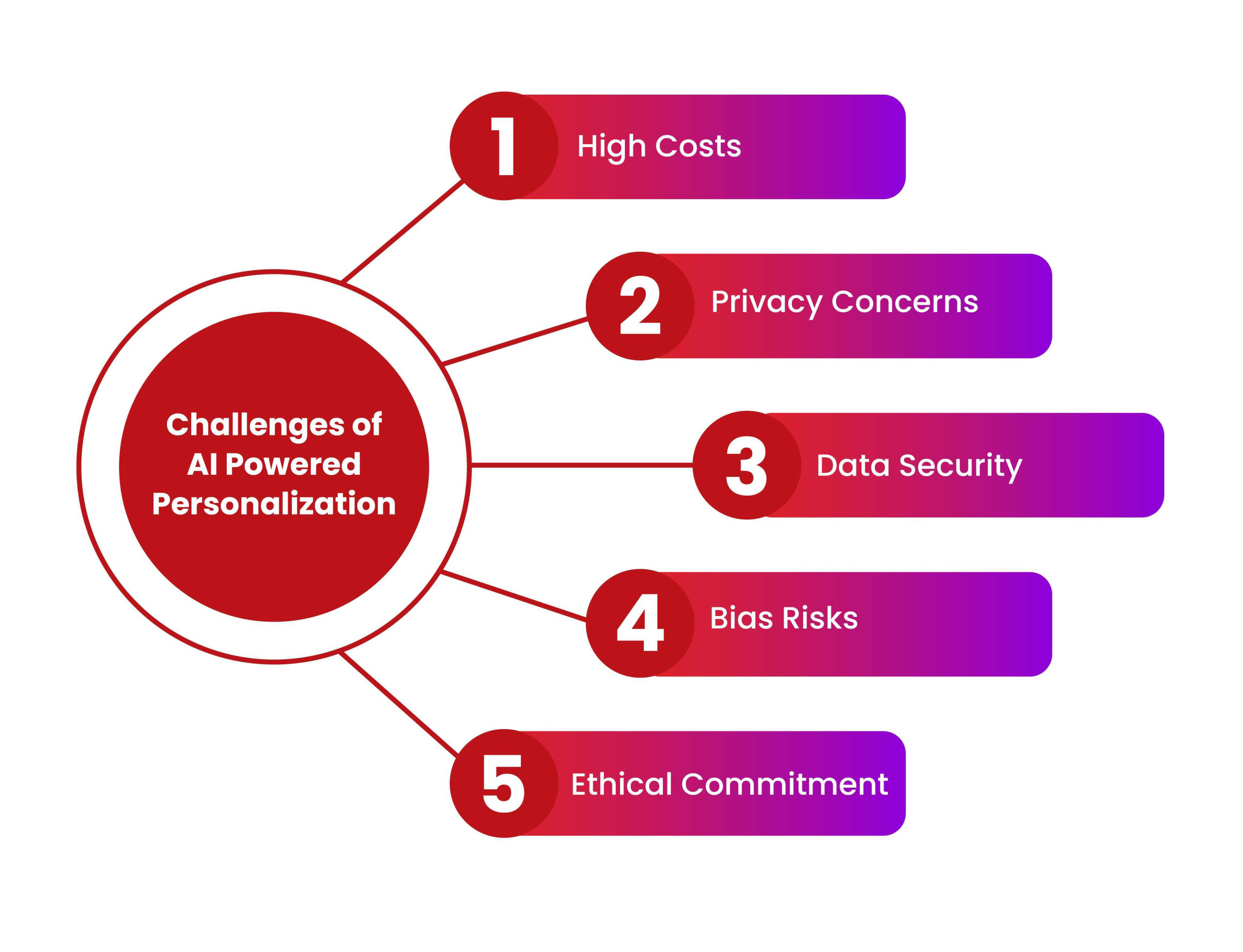
Challenges of AI Powered Personalization
Despite the benefits AI powered personalization has its challenges:
- Cost: Implementing AI is expensive and requires both financial and technical resources.
- Data Privacy and Security: Personalization relies on data and that raises privacy and security concerns. Companies need to ensure they comply with data protection laws and respect customer’s privacy.
- Algorithmic Bias: AI can perpetuate biases if not monitored. Ensuring AI models are transparent and fair is key to avoiding skewed results.
To overcome these challenges you need to have a deep understanding of AI, invest in resources and be committed to ethical practices.
Business Impact of Future Personalization
As personalization matures in e-commerce the impact on businesses will be:
- Better Retention and Loyalty: Brands that provide relevant personalized experiences will retain customers and build loyalty.
- Higher Conversion Rates: Personalized offers and recommendations will increase conversions by delivering timely and relevant information that resonates with customer needs.
- Operational Efficiency: AI can automate repetitive tasks like customer interactions and dynamic pricing so businesses can focus on strategic initiatives.
Preparing for the Future: What Should Businesses Do Today?
To stay ahead of the competition e-commerce businesses should take proactive steps toward adopting AI-powered personalization:
- Invest in AI: Start by investing in AI and machine learning.
- Build Strong Data Foundation: Data is the base of personalization. Collect and manage customer data securely and respect customer’s privacy.
- Try Predictive Analytics: Use predictive tools to anticipate customer needs and stay ahead.
- Privacy Friendly Personalization: Consumers are more aware of their privacy and businesses need to respect that by being transparent and compliant.